
JOIN THE DISCUSSION ON THIS LINKEDIN THREAD
Each year, Ramadan arrives with a familiar question: how do we show up in a way that feels thoughtful, relevant, and sincere? While the month follows a lunar calendar, its emotional and cultural context is never the same twice. What people carry into Ramadan shifts year to year, shaped by global events, digital habits, and the pace of everyday life.
For Muslims around the world, Ramadan remains a deeply personal time of reflection, generosity, discipline, and community. It is a pause from routine, a re-centering of values, and a period where intention matters more than activity. This heightened consciousness extends to consumption itself, with Muslim consumers increasingly making ethical purchasing decisions and participating in boycotts of brands perceived as misaligned with their values. These qualities make Ramadan meaningful, but they also make it sensitive. When approached without care, missteps are felt quickly.
For teams designing products, experiences, and communication, this context matters. Ramadan is not a campaign window, nor a moment to decorate for. It is a lived experience with distinct rhythms, phases, and expectations. Understanding those rhythms is what allows work to feel useful rather than intrusive.
This guide exists to support teams who want to approach Ramadan with humility and understanding. Not to chase attention, but to serve real needs. Not to follow trends, but to design with intention, respect, and care.
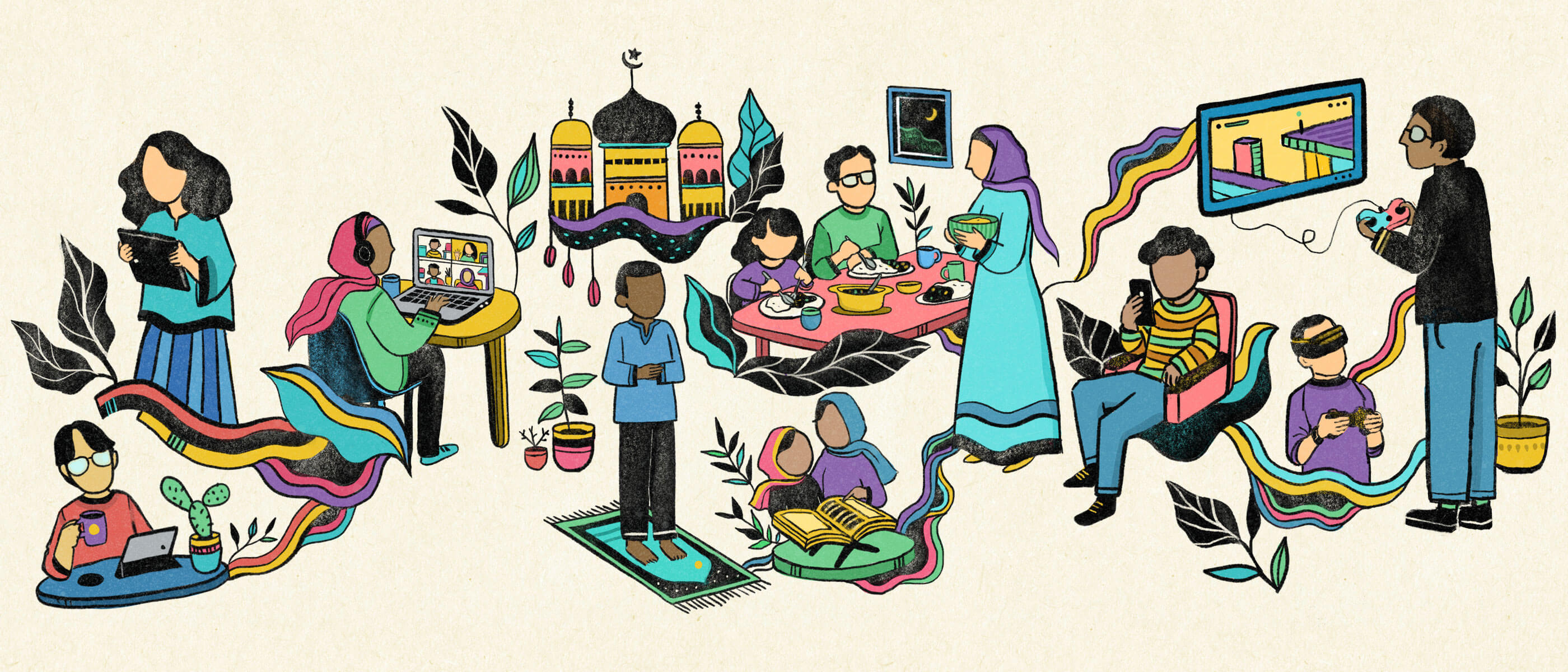
Refresher: What is Ramadan?
This year, Ramadan will start on or around February 18 or 19 (depending on the moon sighting). For 30 days, the majority of the world’s Muslims will abstain from food and drink from dawn until sunset, while taking time for deep inner reflection; strengthening their connection to their faith and enhancing their spiritual growth.
The annual fast will be followed by a three-day festival, Eid al-Fitr, where friends and family will typically get together to pray, feast, and celebrate the end of the holy month.
During those 30 days (or 29, depending on when the new crescent moon is visible, signalling the start of the next month: Shawwal), Muslims do not only fast from food and drink, but also refrain from bad speech, bad behaviour, sexual relations and any particular vices they might have during fasting hours. There is also a much greater focus on charity, nightly prayers, and recitation of the Qur’an. Some key words you might associate with Ramadan are self-discipline, self-control, sacrifice, empathy, generosity, humility and looking inwards.
In fact, a Meta study conducted across 12 countries during Ramadan 2022 showed that there were 7.8 million interactions on Facebook containing the word ‘kindness’ on the final day of Ramadan, while Instagram saw more than 13.4 million interactions mentioning ‘togetherness’, ‘connection’ and ‘community’ during the month.
Looking at Ramadan from another angle, the rise of social media has given conscious brands the opportunity to connect meaningfully with their audiences and play a positive part in their Ramadan experience.
For some quick and easy Ramadan tips, here are six key reminders for brands and companies to consider. For a more comprehensive look at what it takes to build a meaningful Ramadan strategy, scroll down to read our deep-dive article.
Intentional Design in Practice: IKEA
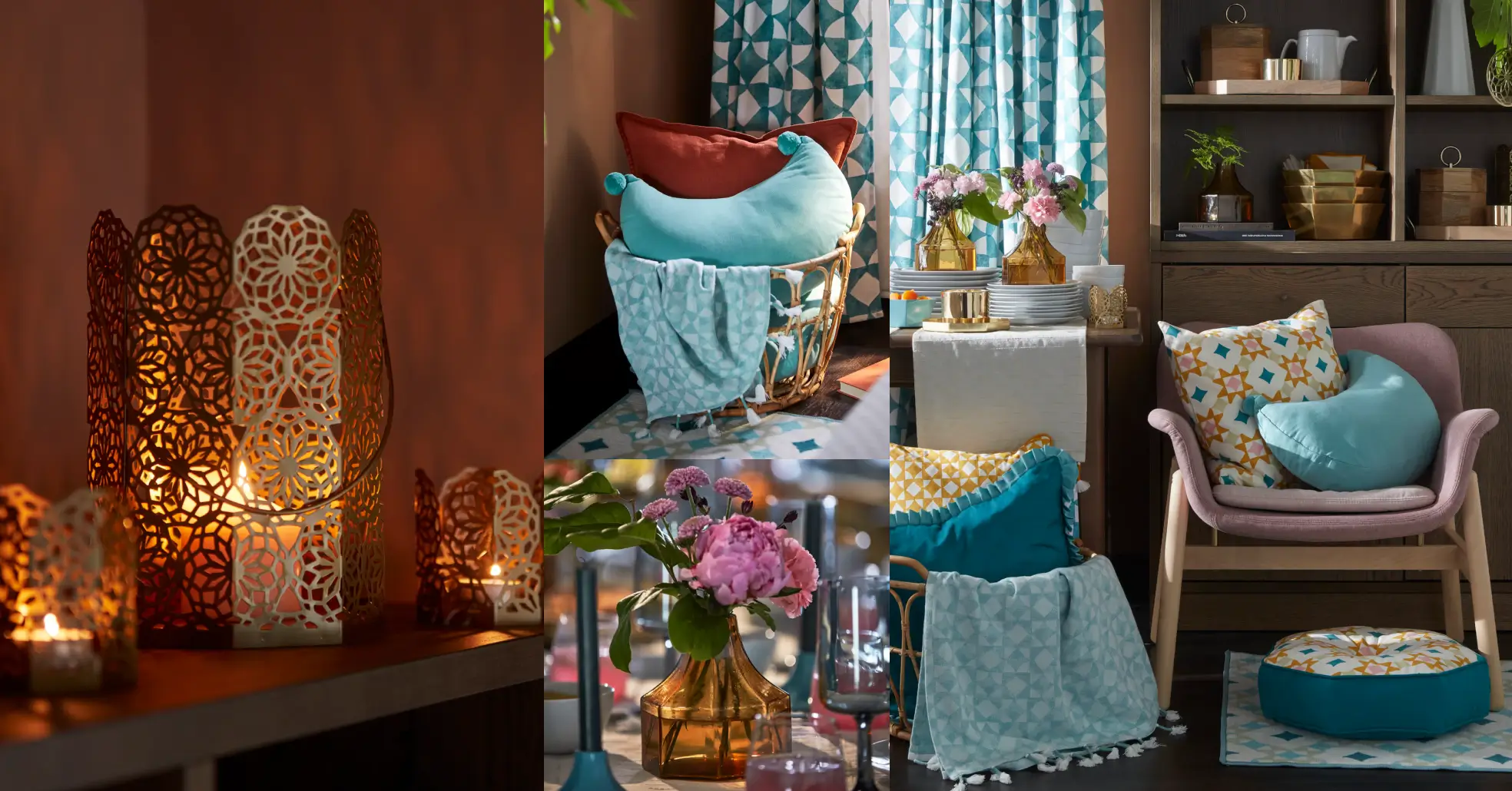
IKEA’s GOKVÄLLÅ Ramadan collection reflects everyday moments at home during the month, from gathering for iftar to hosting family and friends.
Ramadan is the spiritual pinnacle of the year for many Muslims, marked by reflection, generosity, and community. It is also a period when values-driven consumption becomes especially visible.
.png)
According to the State of the Global Islamic Economy Report 2024/25 by Dinar Standard, Muslim consumer spending reached $2.43 trillion in 2023 and is expected to grow to $3.36 trillion by 2028. Islamic finance assets are also projected to reach $7.53 trillion over the same period.
This growth is being shaped by a young, digitally connected population and an increasing emphasis on ethical, values-aligned choices.
While Ramadan is associated with restraint, spending often rises as households prepare meals, host gatherings, give to charity, and shop for Eid. The opportunity for brands is not to sell more, but to understand what people choose to spend on during a time of heightened meaning.
People are online more
Ramadan has become one of the most digitally active periods of the year. People spend more time online to stay connected, discover recipes, watch entertainment, learn, give, and engage with spiritually meaningful content.
For brands, the takeaway is simple: Ramadan is a cultural and emotional moment unfolding online. What matters is being useful, not loud.
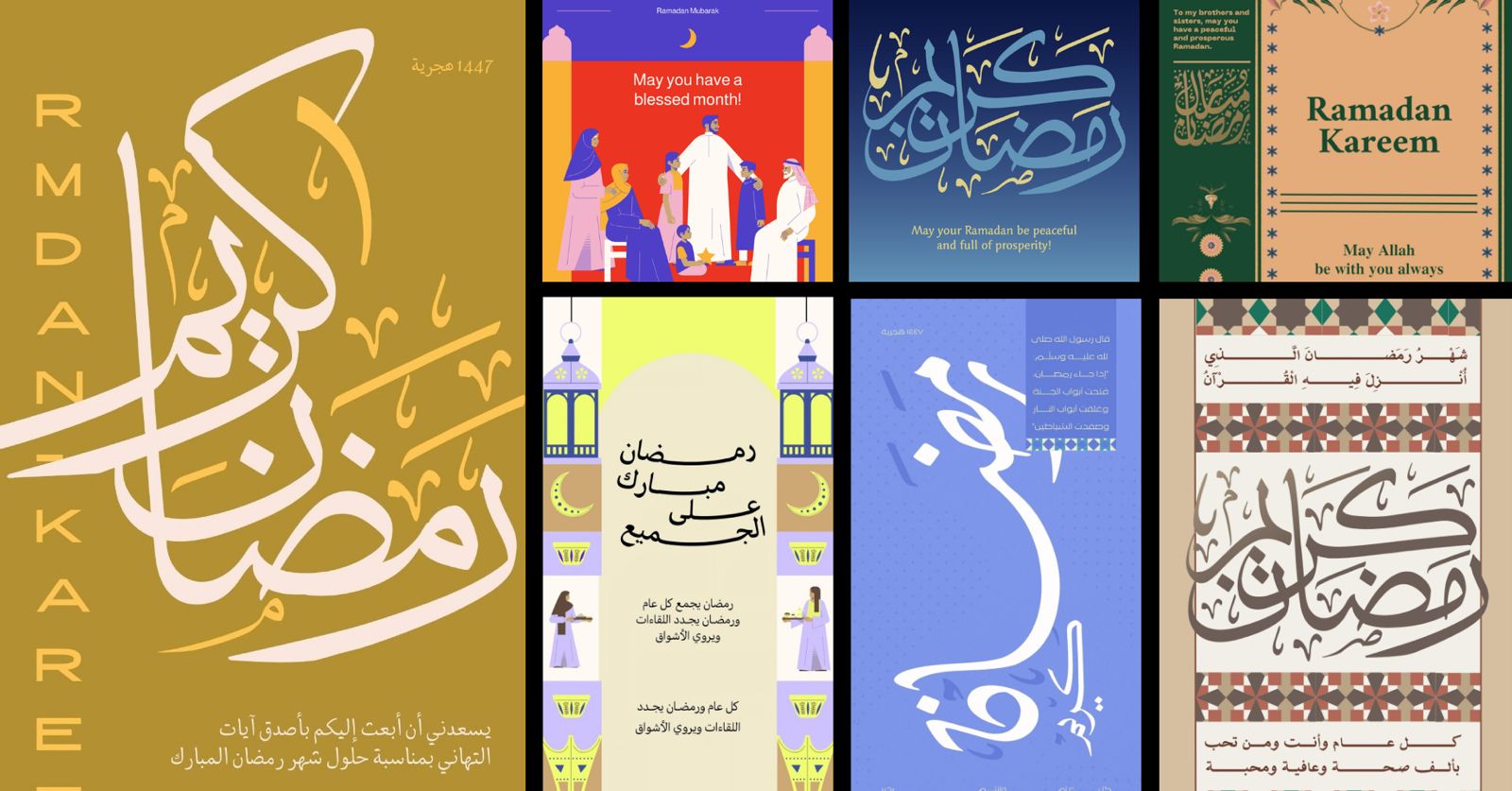
Canva: Multi-language Ramadan Templates
By offering over 20,000 Ramadan templates in multiple languages, Canva enables users to simultaneously express their faith and meet practical design needs—transforming from a simple tool into a cultural partner that builds loyalty through authentic understanding.
Muslim audiences are young, digitally connected, and increasingly expect brands to understand their values without reducing Ramadan to aesthetics or slogans.
When brands show up with sincerity, they can build genuine connection and long-term trust. The weeks leading up to Ramadan are an opportunity to listen, learn, and engage in ways that feel respectful and useful.
Alongside major global brands, new Muslim-centered platforms are also emerging to meet needs around finance, giving, and personal growth. For example, Ummah.com reflects interest in values-aligned financial infrastructure, while LaunchGood and communities such as Productive Muslim show how Ramadan continues to shape generosity and self-development at scale.


Being present during Ramadan isn’t as simple as adding a crescent moon to a campaign or sending a generic “Ramadan Kareem” on the first day of the month. It requires understanding the diversity, rhythms, and sensitivities of how the month is actually lived.
Muslim communities are culturally varied, and Ramadan routines shift significantly. People’s schedules change, evenings become more socially active, energy can fluctuate during the day, and spiritual focus often deepens as the month progresses.
The most important takeaway for teams is not to over-segment audiences into personas, but to listen closely, design with humility, and support real needs in ways that feel timely and respectful.
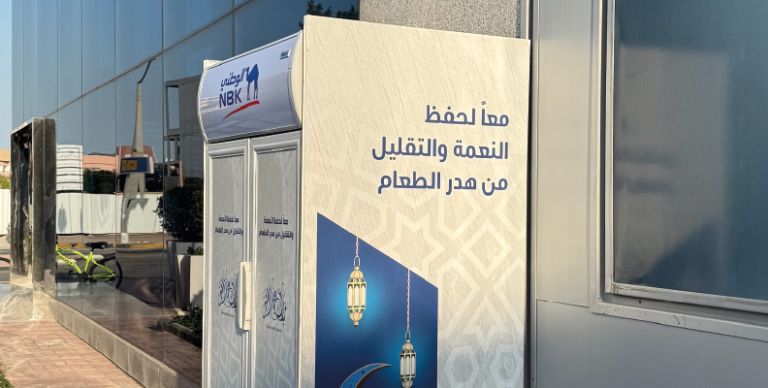
'Doing Good Deeds' National Bank of Kuwait
To inspire community acts of kindness, NBK installed shared refrigerators at selected branches, allowing residents to donate and access food while reducing waste and fostering a culture of generosity.
Ramadan unfolds in distinct stages, and people’s needs shift throughout the season:
Designing well means recognising where people are in this cycle and offering support that feels timely and respectful.
Google x Gould Studio
Gould Studio has partnered with Google's Interbelief Network (Muslim Chapter) to create a series of Ramadan resources and fun creative content designed to help its team members better understand and support Muslim colleagues during the sacred month.
Googlers across the globe can now engage with a diverse collection of engaging templates, fun stickers, content and creative assets to increase awareness of the importance of Ramadan for reflection, fasting, and spiritual well-being.


Design is not just how something looks. It is how it feels, and whether it respects the moment.
Ramadan is not only about customers. It is also a time to support Muslim colleagues with empathy and care.
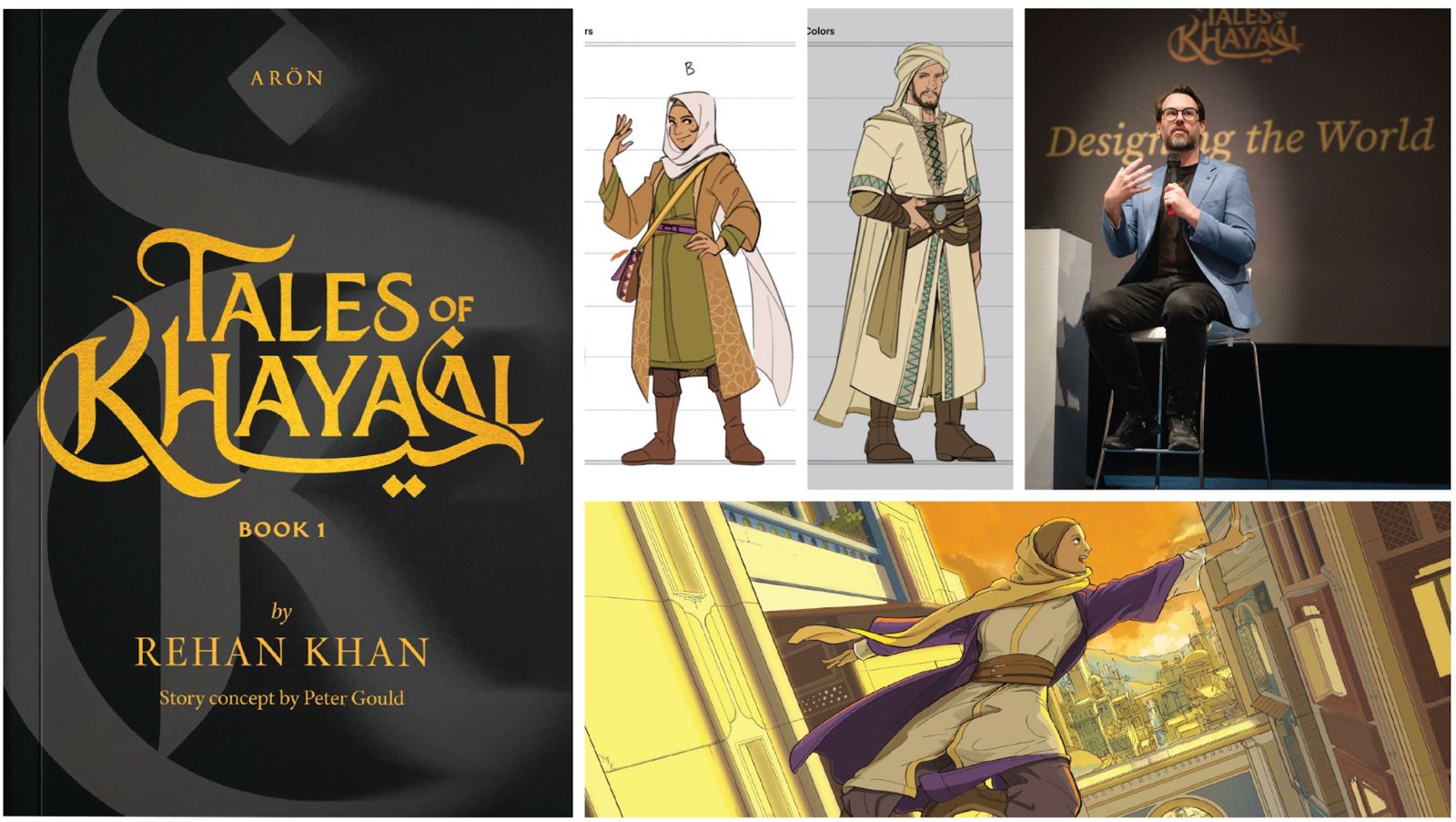
Tales of Khayaal
Ertugrul's explosive and unprecedented growth in popularity during Ramadan 2020 demonstrated the strong desire for connection to history and culture through media. Similarly, Tales of Khayaal taps into this demand by offering culturally resonant storytelling for a younger demographic, providing parents with an engaging way to introduce their children to Islamic culture and spirituality through a format that feels familiar and accessible.
Ramadan is a month where ethics, generosity, and intention are heightened. Brands that resonate during this time are those that serve with sincerity rather than simply seeking attention.
At Gould Studio, we apply six spiritually inspired principles to create more meaningful work:
Together, these principles help teams design with care, responsibility, and respect.
However you choose to approach Ramadan, remember its significance to millions around the world. Lead with humility, be of service, and aim to create something genuinely meaningful.
When we first shared this guide a few years ago, we didn’t expect it to reach over a million people. What that response showed us was how many teams were looking for guidance that treated Ramadan with care rather than convenience. That intention is still what drives this work today. - Peter Gould
Peter Gould is a designer, educator and advocate for heart-centered design. For over two decades he has helped global teams and emerging leaders to align spirituality, creativity and entrepreneurship, including for clients Apple, Google and the UN.
His popular online programs and recent bestselling book, The Heart of Design, have impacted thousands of professionals on their path to ‘design for remembrance’, in an age of ‘design for distraction’.
Peter is Canva’s Brand Ambassador for the MENAP region and is a UNHCR Ambassador for Refugees. He is a recipient of the Stanford Certificate of Innovation & Entrepreneurship and his contributions to design have resulted in international acclaim and awards.
His mission to nurture a global like-hearted movement that empowers the design-led, heart-centered future.
Peter’s book, The Heart of Design, is out now.
Research and editorial contributions by Neil King.
Brand campaign research by Monale.


